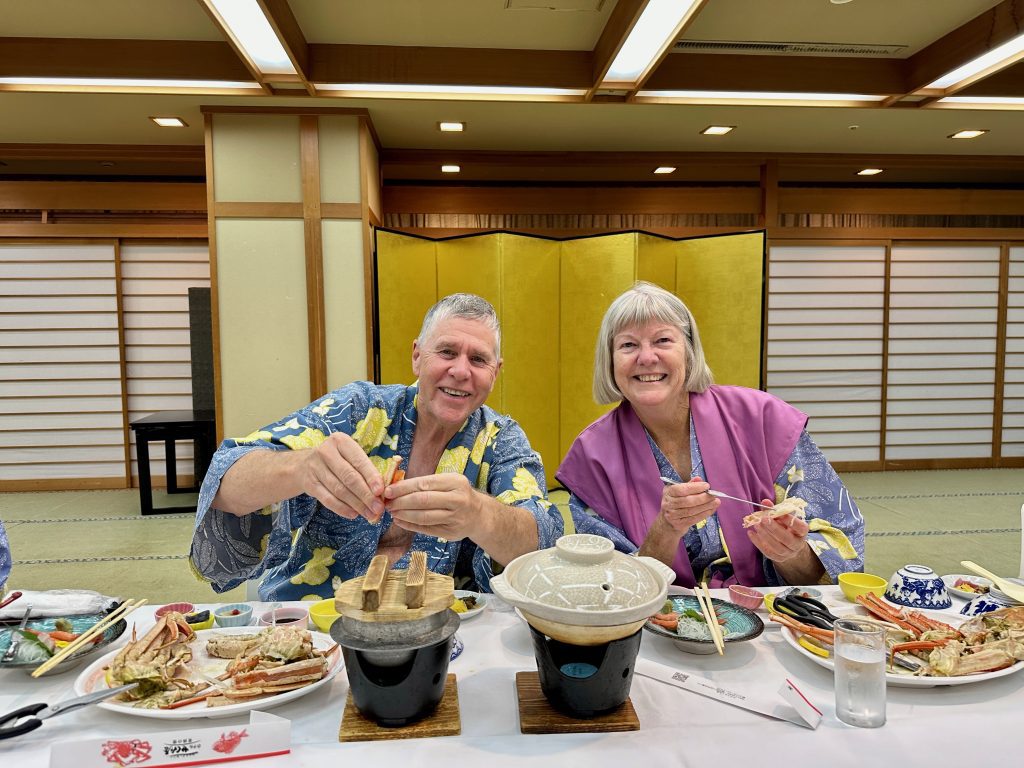
Eating dinner dressed in Kimonos.
In 69 years, I have never once written a “Christmas Letter.” Decades ago, I dutifully sent out Holiday Cards and did my best to include a personal message. But as Thom and I eventually gave up the ritual of giving gifts, I abandoned the chore of writing and mailing those cards. When friends and family realized that I had stopped sending them out—most of them stopped too—or dropped us from their lists. Then several days ago, while waiting in line at the post office, I saw a woman proudly hand over 20+ cards to be stamped with special holiday stamps. Without warning, that quaint act reminded me of more connected times. It also reminded me of holiday letters. And while oftentimes corny or boastful, in some ways they still offered a peak into lives separated by miles and busy schedules. That prompted me to sit down and write a blog post updating anyone (who might be interested) in what we’ve been up to in the last couple of months, mainly our trip to Japan. So please forgive me—in some ways this post is my version of a Christmas letter.
[Read more…]
 Last spring a neighbor here in Tucson recommended a book. This neighbor, Jeff, told us that it was one of the most important books he’d ever read. How could we not be intrigued? Thom read it first and then through the summer I took my turn. What book? Written by a man named Frank Ostaseski, this book is titled The Five Invitations. What is most captivating is the subtitle—Discovering What Death Can Teach Us About Living Fully. And while that might seem to be an unusual topic to take along with us on a summer vacation, it really wasn’t. As the book makes perfectly clear, if you aren’t making the most of your life in every moment—right now—how will you do it when your time is over?
 How many times in the last few months (or years) have you heard someone make a statement that was so bizarre and outrageous that you could barely believe anyone could think that true? I have—more than once. It’s tempting to just roll my eyes and try to run in the opposite direction. That, or silently accuse them of (among other harsher judgements) not being able to think critically. But unfortunately, those actions don’t seem to be isolated. In today’s world it seems that such declarations and behaviors are everywhere—in the media, online and out of the mouths of people we meet at the grocery store. We can’t run from everybody who lies and/or makes up wacky assertions. Instead, maybe we ought to learn, and to teach each other, how to critically ignore that input. Or, as William James, the author of The Principles of Psychology wrote, “The art of being wise is knowing what to overlook.”
 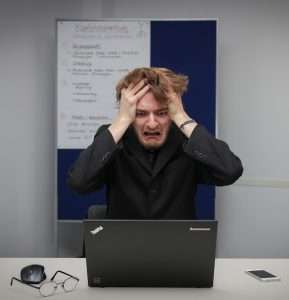 Ever heard the words doomsurfing or doomscrolling before? Not only does the Urban Dictionary online include it, but the well-known Merriam-Webster wrote a blog post describing it as, “the tendency to continue to surf or scroll through bad news, even though that news is saddening, disheartening or depressing.” What they fail to mention is that many of us do it regardless if the source of the “news” hasn’t been verified and is sometimes untrue. That leads to the other new word—Infodemic—as a “blend of ‘information’ and ‘epidemic’ that typically refers to a rapid and far-reaching spread of both accurate and inaccurate information about something such as disease. As facts, rumors, and fears mix and disperse, it becomes difficult to learn essential information about an issue.” So these days, with the flood of doom issues related to the climate crisis, the economy, the upcoming election, greed and corruption everywhere we look every piece of news carries the potential for both doomsurfing and being a part of an Infodemic. The question is, are we personally adding to or easing the spread?
 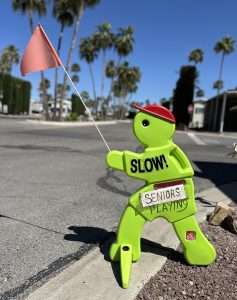 A lot of people think they want to live forever. But do they really? I tend to believe that most of us only want to stick around as long as we are reasonably fit, healthy and happy. However, there is only so much we can do that will guarantee that outcome. Instead, what most of us don’t know (and I didn’t know until recently) the length of time you believe you have left has more of an influence on your well-being than you probably know. Just being aware of that and how it changes our goals and motivations going forward, might be the best strategy we can take for making the most of the time we have left. Why?
 How’s your focus these days? Have you started to do something, got distracted and then forgotten what you were even doing? I have. For the last year or two I have increasingly noticed how much more difficult to do so many things I used to do easily like write a blog post. But it isn’t just with writing. I’ve also noticed how it’s become more challenging to find the time to sit and read a book, focus on certain tasks, or consistently do other things that used to be part of my days. Meanwhile, time seems to be speeding by and I’m feeling busier than ever. Besides being easily distracted, my memory isn’t what it used to be. To explain it all, I assumed it was because I was getting older. Nope. I’ve since learned that this inability to focus and pay attention is a result of bigger forces at work. Of course, as the saying goes, to cure something, we must first know why it’s happening.
 Like most of us I find it easy to agree that seeking awe and wonder on a regular basis seems like a good way to live. We’ve all seen the magic that happens when children light up with excitement whenever they encounter something new. But let’s face it, as we get older, we’ve been around a while and observed and experienced a great deal. So, while it is easy to think of seeing wonder as something good, when was the last time you or I felt an overwhelming absorption of awe? Can you remember a time you felt humble in light of something universally large? Or did we lose our sense of wonder as we’ve aged or just forgotten how to find it? Perhaps we need to relearn the skill of wonder-seeking.
 For as long as I can remember I have always encountered a new year with optimism and hope. Even when Y2K or the Mayan 2012 (remember them?) loomed on the horizon and then passed, I continued to believe that any obstacle we faced in a new year could be overcome by either going over, around, or through the problems in front of us. Now at the beginning of 2024, we are faced with new and interesting challenges. But again, it is not my nature to resort to believing that optimism and hope are suddenly impossible. As I, and others far wiser than me have said, “Pain may be inevitable, but suffering is always optional.” With that in mind, I’ve spent the last few days of this year coming up with what I believe are ten ways to embrace more happiness and hope in the coming 365.