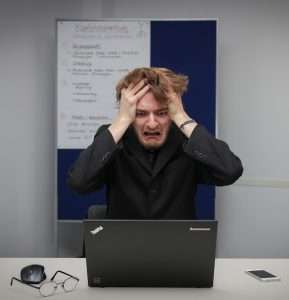
 Ever heard the words doomsurfing or doomscrolling before? Not only does the Urban Dictionary online include it, but the well-known Merriam-Webster wrote a blog post describing it as, “the tendency to continue to surf or scroll through bad news, even though that news is saddening, disheartening or depressing.” What they fail to mention is that many of us do it regardless if the source of the “news” hasn’t been verified and is sometimes untrue. That leads to the other new word—Infodemic—as a “blend of ‘information’ and ‘epidemic’ that typically refers to a rapid and far-reaching spread of both accurate and inaccurate information about something such as disease. As facts, rumors, and fears mix and disperse, it becomes difficult to learn essential information about an issue.” So these days, with the flood of doom issues related to the climate crisis, the economy, the upcoming election, greed and corruption everywhere we look every piece of news carries the potential for both doomsurfing and being a part of an Infodemic. The question is, are we personally adding to or easing the spread?
The analogy I’ve told before as a story is the idea that every one of us carries a small bucket on each of our shoulders as we go through our days. On one shoulder is life-giving and refreshing water. On the opposite shoulder is a bucket of gasoline. In every situation, with every person we meet, every post we share, either in person or online, we can dump our bucket of water which helps to clean and restore the situation. Or, we can dump our bucket of fuel and ignite the fire and aid in destruction. Each offers us a choice, but as with most experiences in our lives, we have to stay aware and conscious if we want to insure we are helping and not making a problem worse.
So, anytime we scroll through social media obsessively absorbing negativity—yes, that means YouTube, Facebook, Twitter, and Instagram—we are infusing that doom into our bodies, minds and souls. And any time we compulsively do the same with television news reports over and over, or read the 20th article about the same subject, we are tamping down our positive emotions and giving full rein to our fear and sense of unfolding dread. And unfortunately, if some of that news or information hasn’t been verified or examined by trustworthy sources, we are allowing such misinformation or distortions to create even more havoc in ourselves. Worse yet is if we then share such distortions with others adding to an Infodemic.
While I would like to claim that I am above ever causing other people pain or contributing to the Infodemic, it would be untrue. I doubt anyone alive today, except maybe the Dali Lama, can claim otherwise. (And humble man that he is, he might even admit to it in a rare occasion.) None of us are perfect. Obviously, even with the best of intentions it is possible for us to fall asleep to our actions and get sucked into responses that do not serve us or others.
Part of my personal problem is that I like to stay informed. I have done my best to educate myself about the latest health news and how I, and those I love, can stay safe and healthy. I also believe it important to stay politically informed as well as do my best to recognize injustice and what I can do personally to correct that thinking in myself and others. However, I also realize how easy it is to be captivated by just one more article about a topic, or to be teased by the release of one more news piece about our current world condition and assure myself I’m only staying apprised of the latest. It’s time to ask ourselves, when is enough enough?
I’m trying. Two weeks ago I went on a Facebook fast. It was the first time ever that I’ve consciously chosen to stay away from all social media for a week. No Twitter. No Instagram. I did allow myself to read headlines in a few of the online magazines and newspapers I subscribe to, but I only read an article if it appeared to offer something new and relevant.
And you know what? The most obvious and expected result was that I mentally felt lighter and less overwhelmed. I didn’t become oblivious to the world; I just didn’t try to carry it on my shoulders. Instead of being led down a rabbit hole by one article, video or tweet, I instead took a walk with Thom and Kloe. Rather than research why or how someone did something or shouldn’t have done something else, I picked up a novel I’d been wanting to read and finished it in a couple of days. Another unexpected result from the “experiment” was that I had lots of extra time to do things that nourished me instead of stressing me. That alone taught me I have been seriously addicted to something that often isn’t in my best interest. I’m not sure if that would be the same for anyone else. But I urge us all to try it.
Still, even after those benefits, I haven’t given up on social media or the news entirely. I did mention that I like to stay informed and am a researcher at heart didn’t I? But what I have chosen to do in the weeks following my Facebook diet is to mindfully cut back. For the last couple of weeks, I allow myself to check my social media accounts first thing in the morning after my journaling and catch up with my friends when necessary. I also read the morning news. After that, I close it down and stay away until after dinner when I ready to shut down for the day. And it’s working—at least for me.
However with that said, I think it still needs to be pointed out that a big part of the problem is the fact that so many of us read and then share what we are reading as though it is our job to inform everyone else. And if we are sharing the doom that we are absorbing, guess what? In many cases we are tossing gasoline into other people’s lives in the same way we allowed the doomsurfing to overtake our own. Again, I realize that some of the information, especially if it is certifiably true, can be helpful to others. But if we catch ourselves sharing information that is causing people’s blood pressure to rise just from the headlines, and/or alarming others into fear and anxiety, we are part of the problem rather than any solution.
It’s clear that people are facing many problems both in our country and around the world. But I’m guessing the unexpected and often unnoticed problem is the fact that more and more of us are becoming addicted to reading and hearing about them and then regurgitating the doom and gloom that we have absorbed As it is with so many other circumstances, I can’t help but believe a big step in the right direction and the SMART choice is to stay aware and conscious of our actions. Only then will we help to cure the infodemic that comes from doomsurfing.

Leave a Reply